

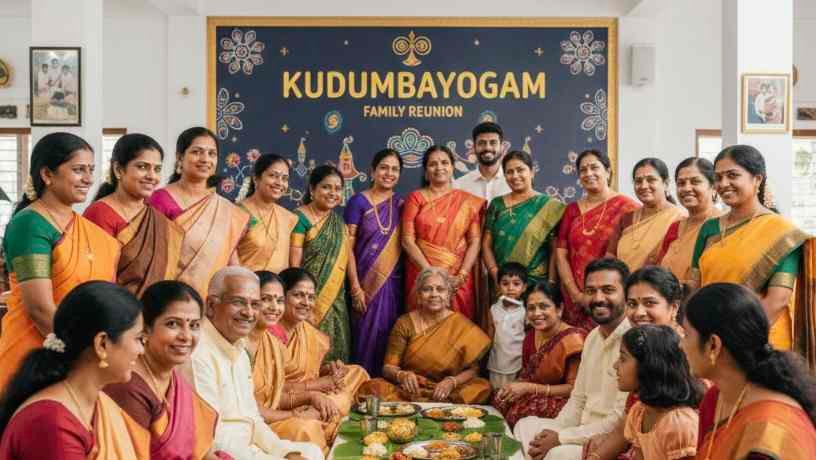
Strong communities are built on shared values, relationships, and collective responsibility. kudumbayogam reflects this spirit by bringing families together under a common social and cultural framework. It represents unity, mutual support, and continuity across generations. This article explores its meaning, social role, traditions, and future relevance while maintaining a warm, human perspective that highlights its importance in everyday life.
Meaning and Cultural Foundation
Cultural institutions often emerge from the need to stay connected as families grow and spread across regions. These structures help preserve identity, traditions, and shared history. A family-based organization serves as a reminder of common roots and collective responsibility.
In many communities, kudumbayogam acts as a cultural anchor. It keeps family members connected through shared values, rituals, and gatherings. This connection strengthens emotional bonds and reinforces respect for heritage, especially among younger generations.
Preserving Shared Identity
Shared identity is maintained through customs, stories, and collective memory. These elements help families remember where they come from and what they stand for.
Role in Strengthening Family Bonds
Family bonds grow stronger when people come together with a sense of purpose. Regular interaction encourages understanding, cooperation, and empathy. Organized family groups create opportunities for dialogue and mutual support.
Within kudumbayogam, members often collaborate on social activities, celebrations, and decision-making. This collective involvement builds trust and reduces distance between generations, ensuring that relationships remain active rather than symbolic.
Encouraging Intergenerational Interaction
When elders and younger members interact regularly, knowledge and values are naturally passed on. This exchange supports emotional balance and continuity.
Social Activities and Community Engagement
Social engagement extends beyond individual families. Community-oriented activities promote inclusiveness and cooperation. These activities may include gatherings, discussions, or charitable initiatives that benefit both members and the wider society.
A structured family organization provides a platform for participation. In kudumbayogam, social activities often encourage members to contribute time, ideas, and resources for common goals. This sense of contribution strengthens belonging and responsibility.
Building a Supportive Network
A supportive network helps members during important life events and challenges. Shared effort creates resilience and unity.
Values, Traditions, and Ethical Guidance
Values shape behavior and guide decision-making. Cultural traditions often carry ethical lessons that influence how people treat one another. Maintaining these values requires consistent effort and shared commitment.
Through discussions and collective practices, kudumbayogam helps reinforce moral principles such as respect, cooperation, and social responsibility. These values are not imposed but learned through participation and example.
Teaching Values Through Practice
Values become meaningful when practiced in daily life. Collective activities provide real-life examples that shape character and attitude.
Adapting to Modern Lifestyles
Modern life brings change in communication, mobility, and priorities. Families may live far apart, and traditional interaction patterns may shift. Adaptation is essential to remain relevant without losing core identity.
By embracing flexibility, kudumbayogam can continue to connect members despite geographical and lifestyle changes. Modern communication tools and inclusive planning help maintain participation and engagement.
Balancing Tradition and Change
Balancing tradition with modern realities allows continuity without rigidity. Adaptation ensures long-term relevance.
Frequently Asked Questions
What is the main purpose of a family-based organization?
Its purpose is to strengthen family unity, preserve culture, and encourage mutual support.
How does it benefit younger generations?
It helps them understand their heritage and learn values through shared experiences.
Are social activities important for such groups?
Yes, social activities build connection, cooperation, and a sense of belonging.
Can traditional structures adapt to modern life?
With flexibility and openness, they can adapt while preserving core values.
Why is intergenerational interaction important?
It supports knowledge sharing, emotional bonding, and cultural continuity.
Conclusion
Family unity and cultural continuity require effort, participation, and shared vision. kudumbayogam represents a meaningful way to bring families together through values, traditions, and collective responsibility. By strengthening relationships, encouraging social engagement, and adapting to modern realities, it continues to play an important role in nurturing connected, resilient communities. Such structures remind us that progress is strongest when rooted in shared identity and mutual respect.