

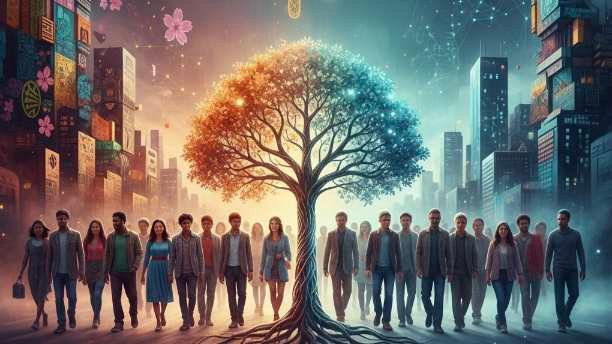
In an increasingly connected world, societies are constantly shaped by movement, cultural exchange, and shared values. One concept that frequently appears in discussions about identity, migration, and social cohesion is assimilasjon. It describes how individuals or groups adapt to a dominant culture while navigating questions of belonging, language, and tradition. Understanding this process helps explain how communities evolve and how people find their place within them.
What Assimilation Means in a Social Context
Assimilation is often discussed in sociology, anthropology, and cultural studies. At its core, it refers to a process where individuals or minority groups gradually adopt the customs, norms, and behaviors of a larger society. This may include language use, social practices, and shared values.
Historically, assimilation has been viewed as a way to create unity within a nation. However, modern perspectives recognize that the experience can vary greatly depending on social acceptance, policy frameworks, and personal choice.
Cultural Adaptation Versus Cultural Loss
One common concern is whether adapting to a new society requires abandoning one’s original culture. In reality, adaptation exists on a spectrum. Some individuals blend traditions, while others feel pressure to conform more strictly.
Historical Perspectives on Assimilation
Throughout history, assimilation has played a role in nation-building and colonial expansion. Governments often promoted a single national identity to strengthen political stability. Education systems, language policies, and social norms were tools used to encourage conformity.
In many cases, these efforts overlooked the emotional and cultural impact on minority groups. The historical lens helps explain why assimilasjon remains a sensitive topic today, especially among communities with experiences of forced cultural change.
essons from the Past
Understanding historical examples allows societies to develop more inclusive approaches. Respect for heritage and dialogue between cultures can reduce conflict and promote mutual understanding.
Assimilation and Personal Identity
On an individual level, assimilation influences how people see themselves and how they are perceived by others. Identity is shaped by family background, language, beliefs, and social interaction. When entering a new cultural environment, individuals often renegotiate these elements.
For some, adaptation feels empowering and opens doors to education and opportunity. For others, it can create internal conflict, especially when external expectations clash with personal values.
Modern Integration Models and Social Balance
Today, many societies aim for integration rather than complete cultural absorption. Integration encourages participation in shared civic life while allowing space for cultural diversity. This approach recognizes that social harmony does not require uniformity.
Discussions around assimilasjon in modern policy focus on equal access, mutual respect, and social inclusion. Language learning, employment opportunities, and community engagement are seen as bridges rather than barriers.
The Role of Education and Community
Schools and local communities play a crucial role in shaping integration experiences. Inclusive education and open dialogue help individuals feel accepted without erasing their background.
Challenges and Opportunities in Diverse Societies
Cultural diversity brings creativity, innovation, and broader perspectives. At the same time, misunderstandings can arise when expectations are unclear. Successful societies address these challenges through communication, empathy, and fair institutions.
When handled thoughtfully, assimilasjon can become a shared journey rather than a one-sided demand. It requires effort from both newcomers and the host society to build trust and shared purpose.
Frequently Asked Questions
Is assimilation the same as integration?
No, integration allows cultural differences, while assimilation often emphasizes conformity.
Does assimilation happen naturally?
It can occur naturally over time, but social policies and attitudes influence the process.
Can someone assimilate without losing their culture?
Yes, many people maintain cultural traditions while adapting to a new society.
Is assimilation still relevant today?
Yes, it remains relevant in discussions about migration, identity, and social cohesion.
Who is responsible for the process?
Both individuals and society share responsibility for creating inclusive environments.
Conclusion
Cultural change is a constant part of human history, shaped by movement, interaction, and shared experiences. While the idea of assimilasjon has evolved, its core challenge remains the same: balancing unity with diversity. By learning from the past and embracing inclusive approaches, societies can foster belonging without erasing identity. When people feel respected and valued, adaptation becomes not a loss, but an opportunity for growth and connection.