

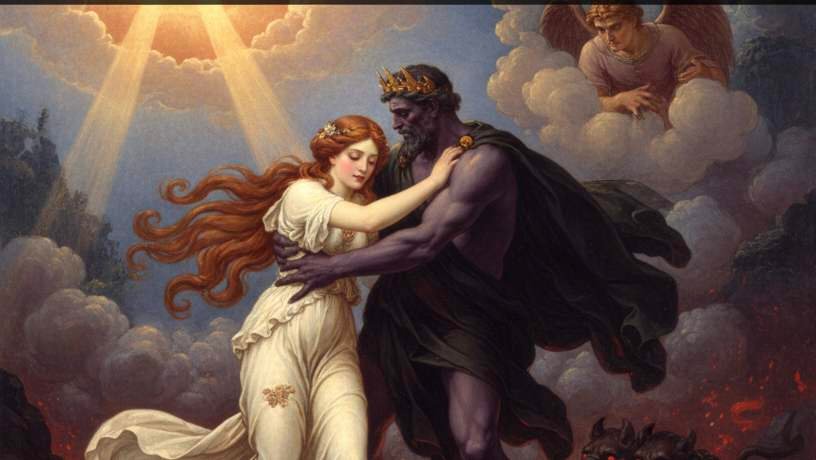
The story of Proserpina, a central figure in Roman mythology, has fascinated scholars and myth enthusiasts for centuries. Known for her association with the seasons and the underworld, her tale contains elements of tragedy, transformation, and divine intervention. One of the recurring questions in classical studies is what was proserpina’s shameful fall, a pivotal moment that shaped both her destiny and the natural world. This article explores the myth in depth, examining its origins, symbolism, and cultural impact.
The Origins of Proserpina’s Myth
Proserpina, equivalent to the Greek Persephone, was the daughter of Ceres, the goddess of agriculture and fertility, and Jupiter, the king of gods. Her story is deeply intertwined with themes of growth, decay, and renewal, reflecting the cycles of nature.
Cultural Context and Early Depictions
In Roman culture, myths often served as moral lessons or explanations for natural phenomena. Proserpina’s abduction by Pluto, the god of the underworld, is a tale that explains seasonal changes. Scholars often analyze this story to understand Roman attitudes toward divinity, power, and human emotion.
The Abduction: Catalyst for the Fall
The key moment in Proserpina’s story that leads to her “shameful fall” is her abduction. While wandering in a field of flowers, she was seized by Pluto, who desired her as queen of the underworld.
Symbolism Behind the Kidnapping
The abduction symbolizes loss of innocence and the unavoidable intersection between life and death. Ancient writers often framed this moment as both tragic and inevitable, reflecting the duality of human experience—joy intertwined with sorrow.
The Role of Ceres in the Fall
Ceres’ grief over her daughter’s disappearance emphasizes the depth of maternal love and the consequences of divine interference. The goddess’ mourning caused the earth to become barren, demonstrating how Proserpina’s fate directly influenced life on earth.
Exploring “Shame” in Proserpina’s Story
Understanding what was proserpina’s shameful fall requires analyzing the concept of shame in Roman mythology. It is not merely a personal failing but often reflects broader social and cosmic consequences.
Divine Judgment and Human Emotion
In myths, shame often arises from actions or circumstances beyond mortal control. Proserpina’s fall is termed “shameful” not because of wrongdoing but because it represents a loss of autonomy and innocence. The narrative portrays her as both victim and queen, highlighting the tension between helplessness and empowerment.
Interpretations by Ancient Writers
Roman poets and mythographers frequently emphasized the emotional and moral dimensions of Proserpina’s story. The term “shameful” may have been used to underscore the dramatic impact of her abduction on the natural world and on human society, reinforcing lessons about power, loss, and resilience.
The Consequences of the Fall
Proserpina’s abduction and “fall” have far-reaching implications in mythology. Her time in the underworld led to the creation of seasonal cycles, a theme that has resonated across centuries.
Seasonal Changes and Agricultural Lessons
According to the myth, Proserpina’s mother Ceres caused the earth to wither while mourning her daughter, leading to winter. Her return brought spring and fertility, explaining the natural cycle of growth and decay. The story served as an allegorical tool for understanding agricultural patterns in ancient Rome.
Proserpina’s Transformation and Empowerment
Though the fall was traumatic, Proserpina ultimately gained authority as queen of the underworld. This dual role of victim and ruler illustrates themes of transformation, resilience, and adaptation, providing a nuanced view of divine and mortal agency.
Proserpina in Art and Literature
The myth of Proserpina’s fall has inspired countless works of art and literature. Painters, poets, and sculptors have depicted both the tragedy of her abduction and her subsequent empowerment.
Artistic Representations
From classical Roman frescoes to Renaissance paintings, artists emphasize her dual identity as both innocent maiden and sovereign queen. Scenes often highlight the emotional weight of her “shameful fall” through expressive gestures and symbolic landscapes.
Literary Influence
Writers such as Ovid and later Roman commentators explored the psychological and societal implications of Proserpina’s story. They examined her fall as a narrative of loss, transformation, and cosmic balance, enriching our understanding of ancient mythology.
FAQ: what was proserpina’s shameful fall
Q: Who was Proserpina in Roman mythology?
A: Proserpina was the daughter of Ceres and Jupiter, associated with agriculture, fertility, and the underworld.
Q: Why is her fall described as shameful?
A: It represents a loss of innocence and autonomy, reflecting emotional and cosmic consequences rather than personal fault.
Q: What caused Proserpina’s fall?
A: Her abduction by Pluto, the god of the underworld, is the key event leading to her fall.
Q: How did her fall affect the earth?
A: Ceres’ mourning led to barren lands, explaining seasonal cycles like winter and spring.
Q: Did Proserpina regain her power?
A: Yes, she became queen of the underworld, embodying resilience and authority despite her initial trauma.
Conclusion
Exploring what was proserpina’s shameful fall reveals a story rich in symbolism, emotion, and cultural significance. Her abduction by Pluto, the grief of Ceres, and the resulting seasonal changes highlight the interconnectedness of divine actions and natural cycles. Far from being a simple tale of tragedy, Proserpina’s story illustrates resilience, transformation, and empowerment in the face of loss. Through centuries of literature, art, and interpretation, her fall continues to inspire and teach lessons about power, innocence, and the enduring human connection to nature.